
Do You Need a Permit to Rent a Dumpster? Navigating City Streets and HOA Rules
The process of securing a dumpster rental service might seem straightforward at first glance, but diving deeper unveils a detailed framework of regulations and requirements that vary significantly based on your precise location. Whether you are undertaking a major home renovation, clearing out a commercial property, or managing routine construction debris, knowing whether you need an official permit and how to navigate hyper-local rules can save you immense amounts of time, money, and hassle. Navigating city regulations and community associations ensures that your waste management remains completely legal, timely, and uninterrupted from start to finish.
According to research from IBISWorld, the market size for dumpster rental in the United States reached $654 million in 2025, which underscores just how heavily relied upon these waste management solutions are across the country today. Municipalities across the nation mandate permits primarily to monitor public right-of-way areas, safeguard infrastructure, and protect public safety. An improperly placed container on a public road can severely obstruct driver sightlines, impede pedestrian pathways, or block critical emergency vehicle access. Securing an official permit establishes a formal record of due diligence, offering vital legal protection if unexpected municipal disputes or property concerns arise during your rental period.
Identify the Types of Permits You Need
Right-of-way permits are among the most common authorizations required when placing a container on public roads, sidewalks, or alleys. These documents ensure that your container does not disrupt essential municipal services, street sweeping routes, or general traffic patterns. Depending on your specific urban location, local agencies might also require traffic management plans, parking meter blockage permits, or environmental protection clearances. Partnering with a reliable dumpster rental service makes this process far simpler, as experienced providers understand exact local paperwork requirements and can often help guide you through the official application process.
Evaluate Location-Based Permit Variations
Permit guidelines differ drastically depending on whether your project is situated within a dense city center, a quiet suburban neighborhood, or an unincorporated rural area. Metropolitan centers enforce strict guidelines due to higher population densities, narrower streets, and complex traffic networks, whereas rural zones often feature far more relaxed placement policies. Because no single rule applies everywhere, thorough research into your local public works or building department regulations is essential before scheduling delivery. Working with an established local dumpster rental service ensures you receive accurate, location-specific advice tailored to your city's exact municipal code.
Recognize Consequences of Non-Compliance
Operating without required municipal paperwork can quickly lead to severe financial penalties and sudden project disruptions. City inspectors routinely issue hefty daily fines for unpermitted containers, and local authorities maintain the right to order the immediate removal of non-compliant equipment. Forced removal not only halts your ongoing project but also incurs unexpected hauling fees and complicated scheduling delays. Consistently adhering to municipal permitting laws avoids costly fines, protects your professional reputation, and keeps your project timeline moving forward without unnecessary administrative interference.
Follow Steps to Secure Your Permit
Obtaining a municipal permit requires contacting your city's public works, transportation, or building department to request the proper documentation. You will typically need to provide precise project details, including the exact placement location, placement duration, container dimensions, and the specific types of waste being disposed of. Submitting your completed application well in advance of your project start date prevents operational delays and ensures full administrative approval. Many property owners rely on an experienced dumpster rental service to assist with these logistics, making the submission process fast, accurate, and completely stress-free.
Adhere to Public Placement Rules
When placing roll-off equipment on public property, you must strictly respect city boundary lines, fire hydrant clearances, and intersection distance mandates. Public placement requires keeping emergency zones clear and preserving clear sightlines for passing motorist and pedestrian safety. Standard regulations dictate that equipment must not overhang active sidewalk areas or force pedestrians into oncoming traffic. Choosing a qualified dumpster rental service helps guarantee that equipment is positioned correctly and safely within approved legal boundaries from the moment it is dropped off.
Comply With Time Restrictions
City permits feature strict time restrictions that dictate exactly how many days or weeks a container may legally remain on public property. Municipalities enforce these time limits to prevent long-term public space obstruction and keep street maintenance schedules running smoothly. If your project runs longer than initially anticipated, you must apply for an official permit extension prior to the original expiration date. Staying proactive regarding expiration dates ensures your project remains fully compliant while avoiding sudden impoundment or code enforcement fines.
Implement Safety and Signage Requirements
Public safety guidelines frequently mandate reflective markers, safety cones, or protective barricades around equipment situated on city streets. Reflective materials ensure the container remains clearly visible to passing drivers during nighttime hours or low-visibility weather conditions. Some municipalities also mandate specific warning signage to alert oncoming traffic to reduced lane widths or altered pedestrian walkways. A professional dumpster rental service supplies delivery vehicles and equipment outfitted with necessary safety reflectors, ensuring immediate compliance with local visibility standards.
Prioritize Pedestrian and Traffic Flow
Maintaining smooth traffic flow and unhindered pedestrian movement is essential whenever equipment is stationed near active roadways. Care must be taken to ensure driveways, alleyways, and public utility access points remain completely unobstructed throughout your rental period. In high-density areas, city planners may require specialized delivery hours to avoid impeding heavy morning or evening commute traffic. Thoughtful placement planning minimizes community disruption, protects public safety, and fosters positive working relationships with local traffic enforcement authorities.
Understand HOA Dumpster Guidelines
Homeowners Associations enforce strict private rules regarding equipment placement to preserve neighborhood aesthetics, protect property values, and maintain street safety. HOAs often view large waste containers as potential visual disruptions or pavement hazards, leading them to establish detailed neighborhood guidelines. These private rules govern overall placement appearance, maximum allowed duration, and acceptable drop-off locations within the subdivision. Communicating directly with your HOA board before booking a dumpster rental service ensures your planned waste disposal project aligns fully with community bylaws.
Navigate Typical HOA Restrictions
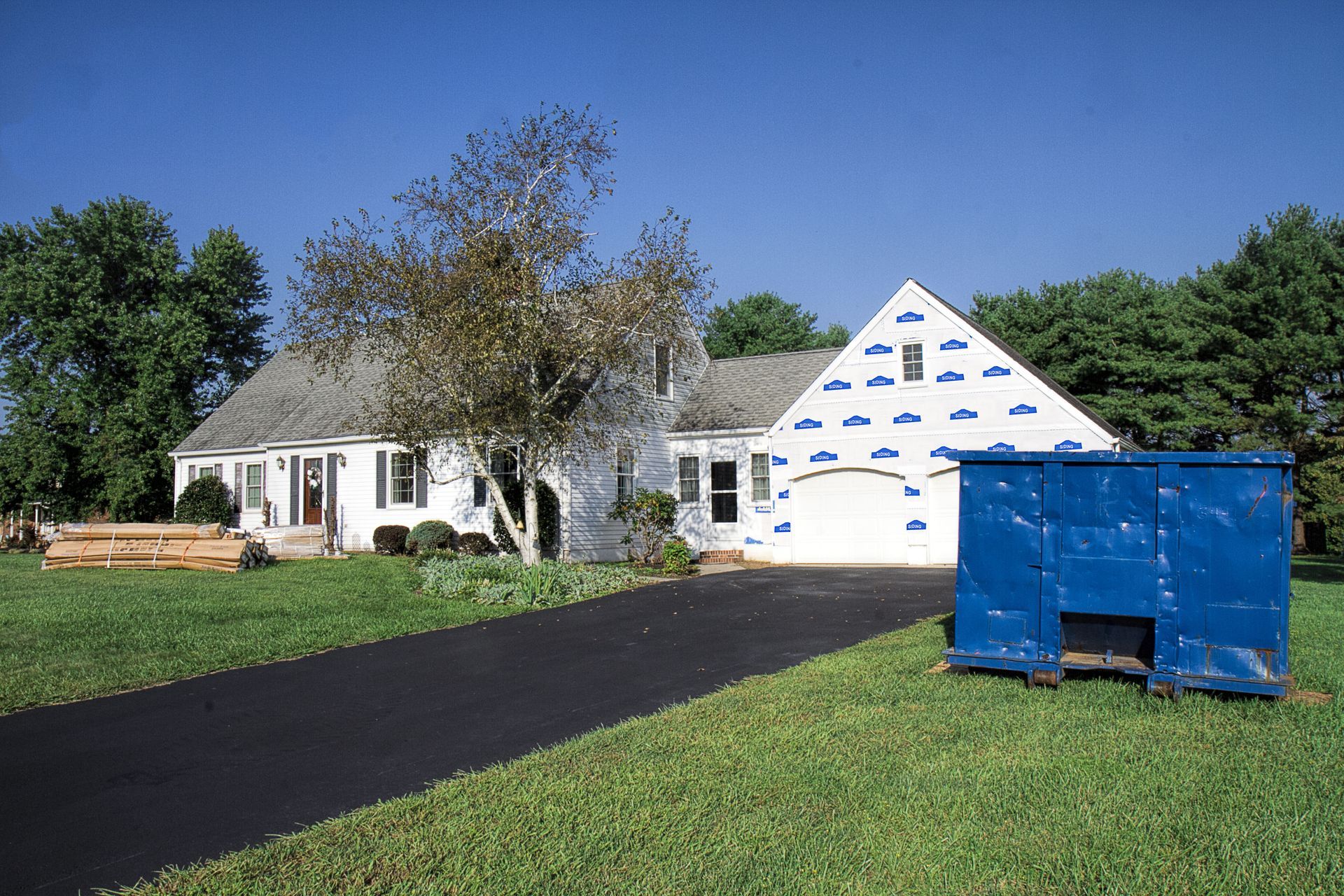
HOA regulations frequently dictate that containers must be placed entirely on private driveways rather than shared community streets. Neighborhood rules may also restrict equipment delivery to specific weekday hours and limit total placement duration to just a few days. Property owners are typically required to place protective wooden boards beneath container rollers to prevent driveway asphalt damage. Selecting a knowledgeable dumpster rental service ensures your delivery respects these neighborhood-specific requirements, safeguarding your property while preventing costly HOA fines.
Follow HOA Approval Steps
Securing approval from your community board involves submitting a formal request detailing your planned project timeline, equipment size, and exact placement location. Many associations require written notice at least two weeks prior to delivery, allowing the board sufficient time to review and issue formal approval. Keeping written records of all HOA correspondence and approvals protects you against potential noise or placement complaints from neighbors. Taking these proactive steps ensures a smooth, hassle-free cleanup process without risking neighborhood friction or association penalties.
Navigating municipal permits and local HOA rules is simple when you partner with an experienced, reliable local waste management professional. ACE Roll Off, LLC offers over 20 years of experience as a top-rated, locally owned and operated business committed to 100% pricing transparency. Whether you need residential dumpster rentals, contractor dumpster rentals, roofing job dumpsters, yard waste dumpster rentals, or specialized clean-out services, our team provides FREE quotes and will price match or beat competitor quotes. Contact ACE Roll Off, LLC today to secure your hassle-free container and get your project started right!
Recent Posts
Share On: