
How to Choose Between a 10-Yard, 20-Yard, and 30-Yard Dumpster
Choosing a dumpster size can be difficult when a project is still taking shape. Household cleanouts, remodeling work, landscaping debris, construction, and demolition can generate very different amounts of material. Selecting a container requires looking at more than whether a project seems “small,” “medium,” or “large.” A 10-yard option may suit a focused cleanup, while 20- and 30-yard containers accommodate increasingly substantial projects. Understanding the dimensions and approximate capacities of these sizes provides a practical starting point.
Start With the Scope of the Project
Project scope helps establish how much container capacity may be necessary. Cleaning one garage creates a different waste-removal need than clearing an entire office, completing a kitchen renovation, or handling demolition debris. Thinking about all stages of the project can provide a better picture of the material that will accumulate.
Volume deserves particular attention because debris does not always appear substantial before work begins. Furniture, household items, landscaping debris, construction material, and demolished components can fill container space in different ways. An experienced rental provider can use information about the project and expected debris to help recommend an appropriate size.
When a 10-Yard Dumpster Makes Sense
A 10-yard roll-off dumpster measures approximately 16 feet long, 8 feet wide, and 2.5 feet high, with capacity comparable to about three to four pickup loads. It is the smallest of the three options and works well when the project is concentrated in a relatively limited area.
Typical applications include minor household cleanup projects, single-garage cleanouts, and yard waste disposal. The 2.5-foot height also makes this container relatively easy to load. For projects that do not require the additional volume of a medium or large container, the 10-yard size offers useful capacity without taking on the dimensions of a larger dumpster.
A smaller container should still be selected according to the actual project rather than simply because the job takes place at a home. A substantial residential cleanout or renovation can generate considerably more debris than a minor cleanup. Project scale remains more important than whether the property is residential or commercial.
When a 20-Yard Dumpster Fits the Project
A 20-yard roll-off dumpster measures approximately 18 feet long, 8 feet wide, and 4.5 feet high. Its capacity is comparable to roughly seven to nine pickup loads, placing it between the smaller 10-yard option and the substantially larger 30-yard container.
This size is well suited to medium residential or commercial remodeling projects. Kitchen renovations, basement cleanouts, office cleanouts, two-car garage cleanouts, and smaller demolition jobs are among the situations where its additional capacity can be useful. It provides substantially more room than a 10-yard container without reaching the dimensions of the largest option discussed here.
According to Commercial Construction & Renovation Magazine, a 20-yard dumpster is an ideal choice for whole-house cleanouts, large roofing projects, and garage demolition. That range of uses illustrates why the middle size can suit projects that create significant debris but do not automatically require the largest available container.
When a 30-Yard Dumpster Becomes the Better Match
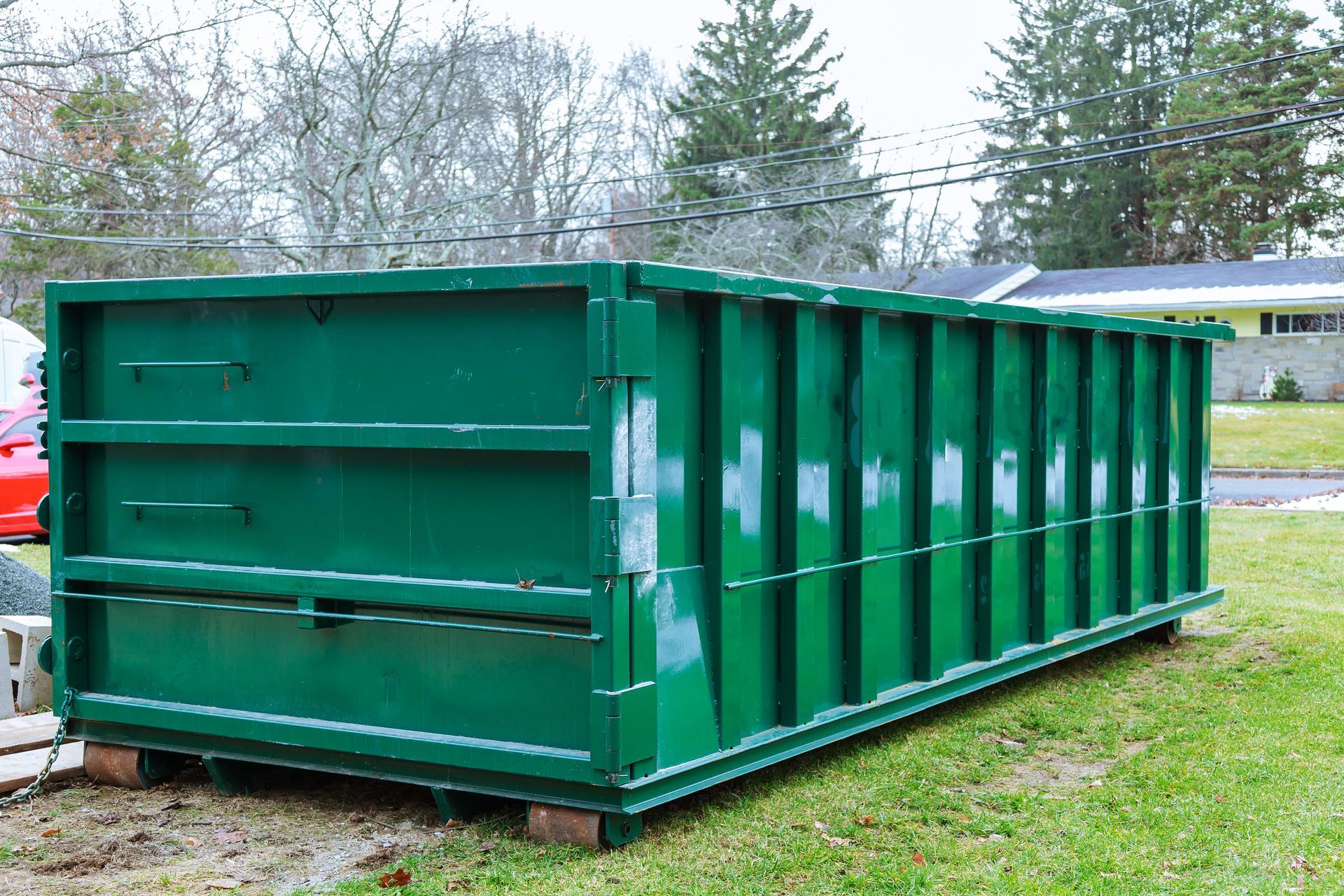
A 30-yard roll-off dumpster measures approximately 22 feet long, 8 feet wide, and 5.5 feet high and holds around 10 to 12 pickup loads. The extra length, height, and overall capacity make it suitable for projects expected to produce considerably more material.
Large home or office cleanouts are common applications for this size. It can also accommodate community cleanups, medium residential renovations, large-scale commercial renovations, building demolition, and new construction projects. These jobs generally involve broader project scopes and more debris than the minor cleanouts associated with smaller containers.
The larger capacity can also be useful when multiple parts of a property are involved in the same project. Rather than judging size based on one room or work area, the anticipated material from the entire job should shape the decision. This provides a more realistic estimate of the container volume required.
Compare Capacity Alongside Physical Dimensions
Capacity is an important difference between the three options. A 10-yard container holds roughly three to four pickup loads, a 20-yard container holds about seven to nine, and a 30-yard container accommodates approximately 10 to 12. Those comparisons provide a concrete way to visualize the amount of material each size can contain.
Physical dimensions matter as well because every roll-off dumpster needs an appropriate location for delivery, loading, and eventual removal. The 10-yard container is approximately 16 feet long, compared with 18 feet for the 20-yard and 22 feet for the 30-yard. The containers also increase in height from 2.5 feet to 4.5 feet and then 5.5 feet.
Space planning should therefore occur alongside volume planning. A project may generate enough material to justify a larger container, but the intended placement area still needs to accommodate that size. Discussing placement with the rental provider before delivery can help determine which option works for both the project and the property.
Consider What the Project Will Generate
The type of material involved can be just as important as the overall amount. Dumpster rentals may be used for household junk, furniture, yard waste, construction debris, remodeling material, and other acceptable waste generated during residential and commercial projects. Different jobs naturally create different combinations of these materials.
Some materials are subject to disposal restrictions, so project contents should be discussed with the provider when selecting a container. Hazardous waste, chemicals, batteries, tires, flammable items, and certain other materials may not be accepted in a general dumpster. Confirming what the project will generate helps keep container selection connected to both debris volume and material type.
Think About Loading and Access
Loading convenience can affect how smoothly debris removal fits into a cleanup or construction project. Containers equipped with walk-in doors at the rear provide another way to place material inside rather than requiring everything to be lifted over the side. This feature is available across the dumpster sizes and can make access more practical throughout the rental.
The location chosen for delivery also deserves attention. The provider needs sufficient access to place the container in an appropriate spot and later retrieve it. If circumstances change during the project, communicating about pickup timing or rental needs can help keep debris removal coordinated with the rest of the work.
Match the Container to the Entire Job
Choosing the right roll-off dumpster is ultimately a matter of matching available capacity to the full project rather than one portion of it. A garage cleanout might fit a smaller container, while a remodeling project or broader property cleanup may call for additional capacity. Construction and demolition work can create greater volume still.
It is useful to describe the entire project when asking for size guidance, including whether it involves a cleanout, renovation, landscaping, construction, or demolition. The expected volume and type of debris give the rental provider more context for distinguishing between available containers. This can make the selection process clearer for first-time renters as well as customers planning larger jobs.
The most appropriate dumpster size is the one that reflects the project as a whole, including how much debris it is expected to generate and the space available for the container. Thinking through those factors before delivery makes it easier to select a container suited to the work without relying on guesswork alone. ACE Roll Off, LLC offers 10-, 20-, and 30-yard roll-off dumpster rentals for residential, commercial, construction, demolition, cleanup, and other projects locally. Customers can contact our team for a free quote and guidance on selecting the dumpster size that fits their project.
Recent Posts
Share On: