
Taking the Headache Out of High-Volume Debris
Managing large-scale debris can feel like an overwhelming logistical puzzle. Whether you are clearing out a residential estate, handling commercial cleanouts, or managing a major construction site, accumulating piles of waste can quickly derail your timeline and safety standards. For everyday property owners, contractors, and project managers alike, finding practical, streamlined systems to clear large volumes of waste is essential for keeping projects moving forward smoothly, safely, and on budget. Securing a reliable local dumpster rental remains the most effective way to establish immediate control over a cluttered workspace.
Understanding the Scope and Sources of Debris
Major Sources of Debris
Debris arises from a variety of sources, each contributing in significant ways to the overall volume managed by local disposal systems. Beyond major industrial build sites, other massive contributors include residential neighborhoods, corporate offices, and local community events, each adding unique types of materials to the waste stream. When homeowners or business managers fail to recognize what goes into their waste stream, they often face unexpected logistical bottlenecks or safety risks that a professional local dumpster rental service can easily prevent.
The Impact of Construction and Demolition
The building industry alone contributes a major portion to the high-volume debris scenario. Materials from residential construction, commercial construction, and intense building teardowns include concrete, timber, structural metals, drywall, and insulation. According to Verified Market Reports, construction and demolition activities generate roughly 600 million tons of debris each year, highlighting why structural waste requires specialized demolition dumpsters capable of handling extreme loads. The sheer weight and bulk of these materials necessitate robust containment solutions to safely process and transport them away from active workspaces. Without open, heavy-duty containers strategically placed on site via a premier local dumpster rental, workers waste valuable labor hours hauling pieces long distances across a cluttered footprint.
Residential and Commercial Waste Contributions
Residential and commercial activities contribute significantly to the accumulation of community debris. Household products, heavy old furniture, yard waste, and obsolete appliances form the primary components of large residential cleanouts. Meanwhile, in corporate settings, broken office furniture, retail packaging, and outdated inventory dominate. Safely storing and moving these items requires easily accessible household dumpsters that fit comfortably into suburban driveways or narrow downtown alleyways. Utilizing an affordable local dumpster rental keeps high-volume junk from spilling over onto lawns, parking spaces, or public walking paths.
Natural Disasters and Emergency Cleanups
Storms, high winds, and seasonal weather disasters present unique challenges due to the sudden influx and sheer volume of waste produced. Fallen trees, ripped roofing shingles, shattered siding, and water-damaged drywall generate massive amounts of mixed debris all at once. Emergency recovery and neighborhood rebuilding plans must rely on immediately available, highly adaptable roll-off containers to expedite community cleanups. During these stressful scenarios, having a flexible local dumpster rental agreement allows you to instantly toss ruined interior elements, protecting homes from secondary mold issues and restoring safety to city streets.
Tailored Disposal Strategies for Every Project Scope
Specialized Solutions for Homeowners
Residential waste management demands a careful balance of container capacity and spatial awareness. When clearing out a family estate, remodeling a kitchen, or updating a roof, property owners need accessible residential dumpster options that accommodate bulky waste without destroying their landscaping or blocking neighborhood traffic. Booking a dedicated local dumpster rental keeps cleanout efforts organized, enabling families to sort through decades of accumulated belongings at their own pace without turning their front yard into an unsightly, hazardous local eyesore.
Commercial Construction and Large-Scale Demolition
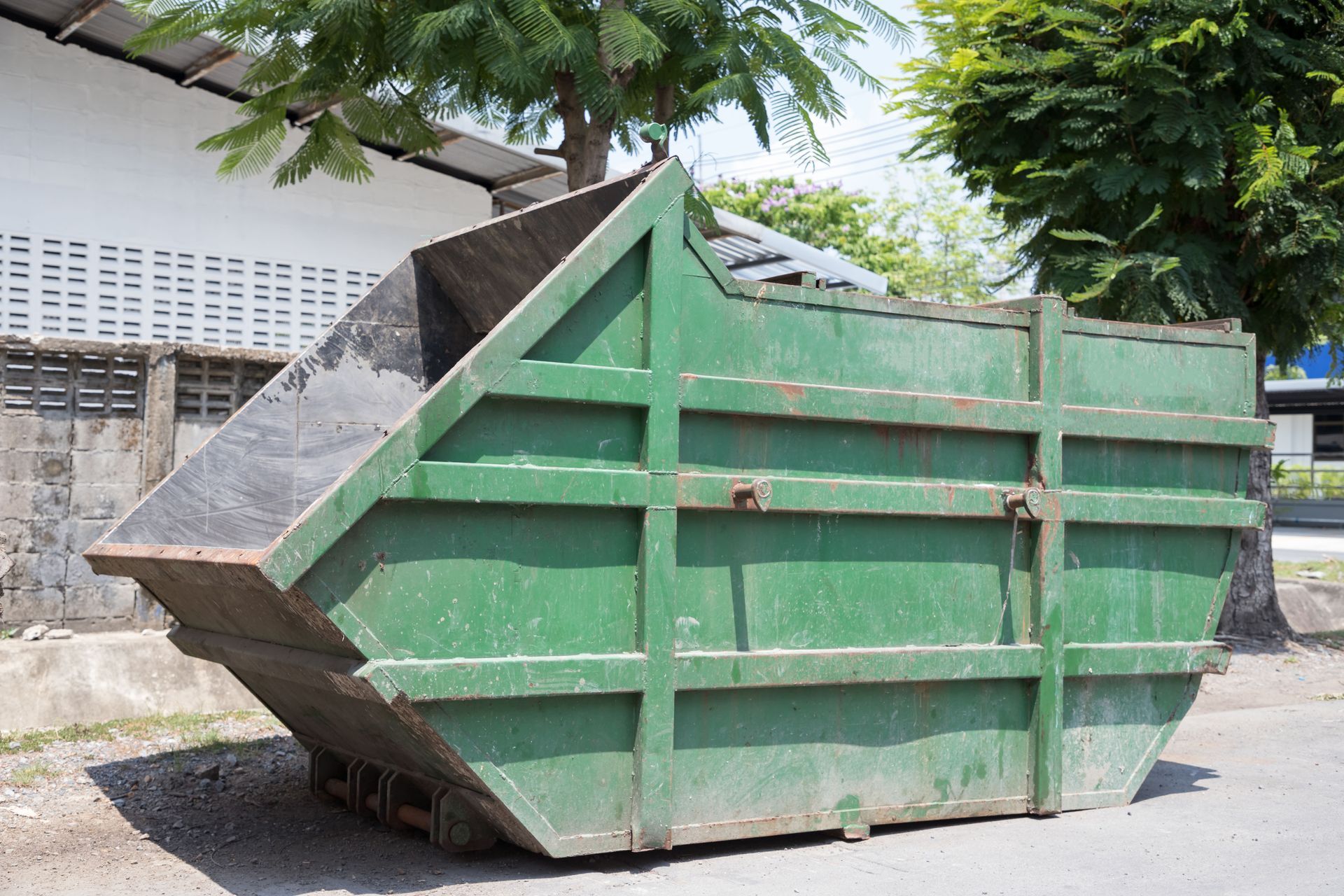
On major commercial jobs, managing debris is a non-stop, daily operational challenge. Commercial construction projects generate continuous fields of scrap metal, packaging, timber, and masonry that can quickly crowd out essential equipment and create tripping hazards. Utilizing rugged demolition dumpsters designed for thick, sharp structural scraps is paramount. Setting up a long-term local dumpster rental contract ensures these specialized commercial containers are built to withstand heavy impacts from dropped bricks and concrete, keeping active project zones compliant with local occupational safety regulations.
Waste Management for Special Events
Public festivals, outdoor concerts, sporting tournaments, and large community markets create a distinct category of high-volume debris. Unlike construction projects, special event dumpster rentals are focused primarily on handling massive quantities of consumer packaging, food containers, disposable wares, and staging materials within a compressed timeline. Proper planning involves scattering smaller trash receptacles throughout the venue that feed directly into centralized, large-volume roll-off units tucked away from public view. Arranging a well-timed local dumpster rental for event weekends prevents overflowing public bins, deters local pests, and guarantees a swift, hassle-free post-event breakdown.
Practical Logistics and Disposal Planning
Optimizing Collection and Drop-Off Schedules
Logistics and transportation play critical roles in the overall efficiency of high-volume debris management. Designing predictable drop-off and pickup windows minimizes project downtime and keeps surrounding driveways, loading docks, or public roads clear. Implementing scheduled service swaps—where an operational team hauls away a full container and replaces it with an empty one in a single trip—ensures a continuous workflow.
Choosing the Right Container Sizes
Matching the container volume to your specific project scope prevents overloading and costly mid-project delays. Heavy, dense materials like dirt, brick, sand, or asphalt require smaller, specialized heavy-debris containers to remain within legal road-weight limits and prevent hydraulic failures on hauling trucks. Conversely, bulky but lighter items like old insulation, drywall scraps, tree branches, and retail packaging benefit from maximum-volume containers that offer tall walls to maximize vertical storage space without exceeding structural weight caps.
Partnerships with Reliable Hauling Providers
Collaborations between project site managers and professional hauling providers streamline the entire cleanup process from start to finish. Private hauling services bring immediate equipment availability, flexible rental windows, and deep operational efficiency to a project. Relying on a dedicated local partner allows on-site teams to focus entirely on their manual labor or construction craft while the complex logistics of waste removal, legal transit, and regional sorting run seamlessly in the background.
Safety and Efficiency Maximization on the Job Site
Workplace Hazard Prevention Through Proper Containment
A cluttered job site is an inherently dangerous environment. When high-volume debris is allowed to pile up loosely on the ground, it increases the risk of puncture wounds from exposed nails, slips over loose materials, and structural fires from trapped combustible dust. Utilizing designated roll-off containers establishes a centralized, safe disposal zone that keeps loose trash off the ground. Training crews to toss waste immediately rather than letting it accumulate in random piles drastically reduces workplace injuries and fosters an organized, professional environment that clients and inspectors appreciate.
Weight Distribution and Loading Best Practices
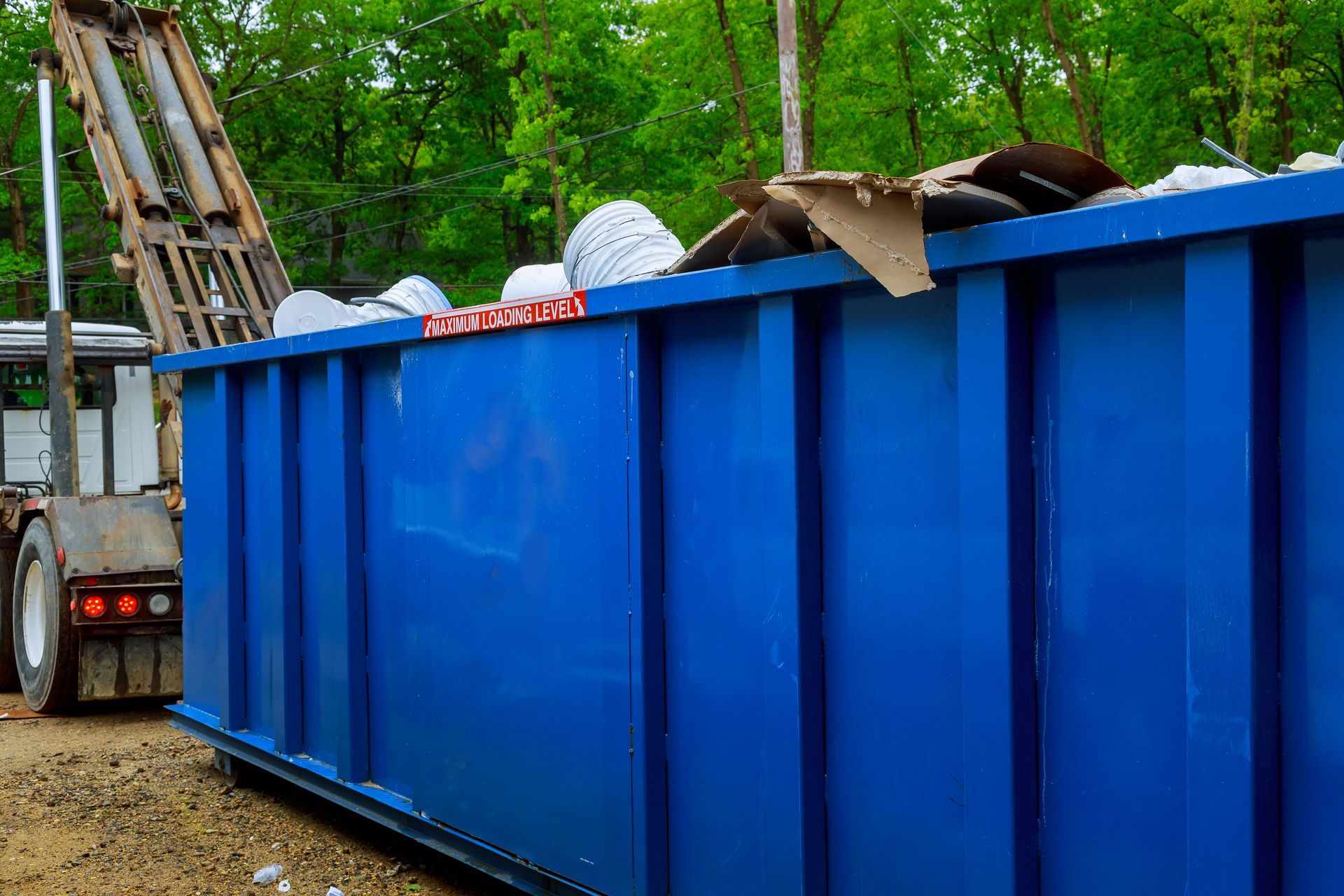
Effectively loading a container involves more than simply throwing items inside until it looks full. For safe transit and maximum volume utilization, heavy items should always be placed flat at the bottom of the container, with lighter, more flexible items layered over top. Distributing the weight evenly prevents the hauling truck from becoming unbalanced during pickup or highway travel. Furthermore, materials must never be piled higher than the fill-line or sidewalls of the container, as loose debris can catch the wind during transport and create severe hazards for drivers on local roadways.
Tackling high-volume debris does not have to be a source of operational stress, project delays, or safety hazards. By assessing the true scope of your waste materials, planning out your daily site logistics, and selecting heavy-duty containment sizes tailored to your specific trade, you can maintain a clean, orderly, and highly productive workspace from start to finish. Whether you are running a fast-paced commercial job or sorting through a lifetime of family memories at home, the right container setup makes all the difference.
Ready to clear out your project site without the logistical stress? Contact ACE Roll Off, LLC today to book your next local dumpster rental and secure a fast, transparent quote from our local dispatch team!
Recent Posts

Share On: